Food safety
How Long Does Food Last in the Fridge During a Power Outage?
A closed refrigerator holds a safe temperature for about four hours. A full freezer holds about forty-eight. Here is what to do inside those windows, and what to throw out after them.
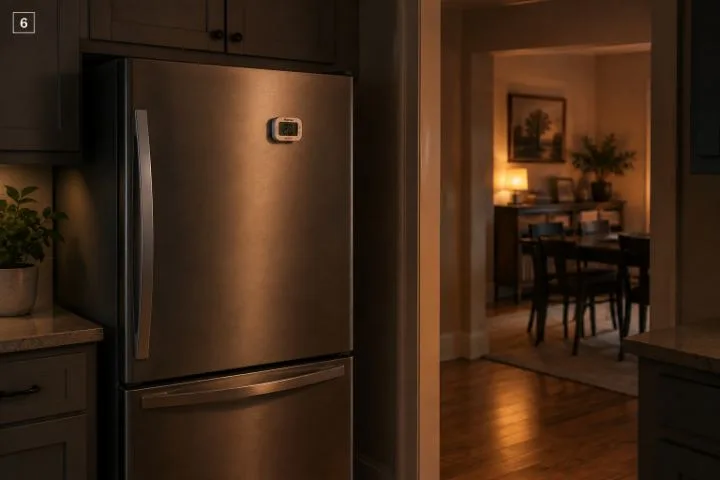
A power outage can strike at any time, and one of the first questions you'll face is: how long is the food in your refrigerator still safe to eat? The answer depends on how long the power has been out, how full your refrigerator is, and how often you open the door. Knowing the rules before an emergency hits can protect your family from foodborne illness.
The 4-Hour Rule: Your Most Important Guideline
According to the FDA and USDA, a refrigerator will keep food safe for up to 4 hours during a power outage, provided the door remains closed. Once the power has been out for more than 4 hours, perishable foods that have risen above 40°F should be discarded.
The key temperature to watch is 40°F (4°C). This is the upper limit of the safe refrigerator zone. Above 40°F, bacteria that cause foodborne illness multiply rapidly, doubling in number in as little as 20 minutes under the right conditions.
Keep the Door Closed
The single most effective thing you can do during a power outage is keep the refrigerator door closed as much as possible. Every time you open the refrigerator door, cold air escapes and the temperature inside rises faster. A closed refrigerator can maintain a safe temperature for approximately 4 hours.
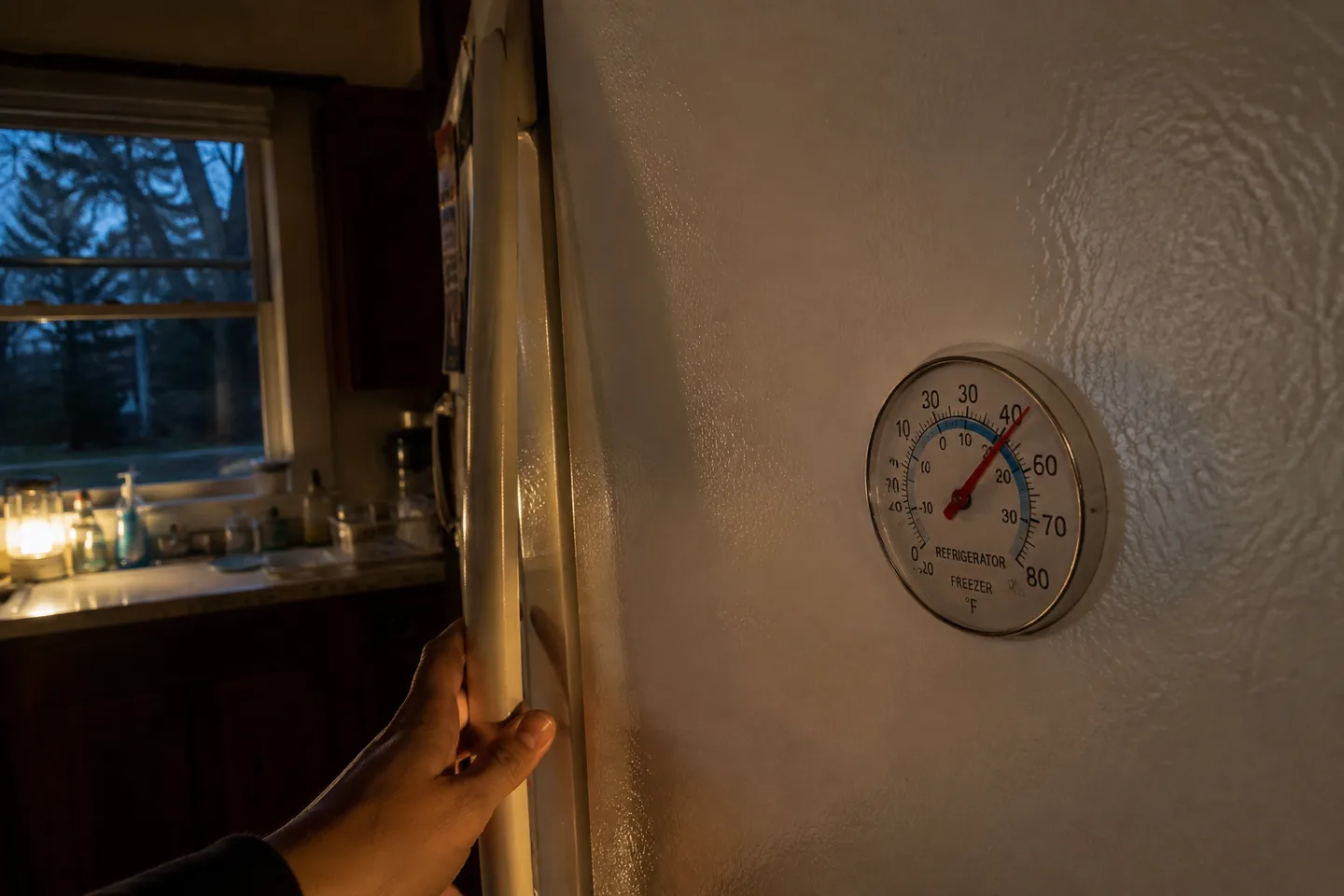
The FDA and USDA both recommend keeping the refrigerator door shut as much as possible during a power outage to preserve the cold environment inside.
How a Full Refrigerator Helps
A full refrigerator will stay cold longer than a half-empty one. Food mass retains cold better than air, so a well-stocked fridge maintains lower temperatures longer when the power goes out. If your refrigerator is relatively empty, consider filling space with containers of water or bags of ice before a predicted outage.
Use a Refrigerator Thermometer
The CDC and FDA recommend keeping an appliance thermometer in your refrigerator at all times. This allows you to know immediately whether food has been held at a safe temperature once power is restored. If the thermometer reads 40°F or below after the outage, the food is safe. If it reads above 40°F and the power has been out for more than 2 hours, begin evaluating which foods to discard.
What Happens to the Freezer?
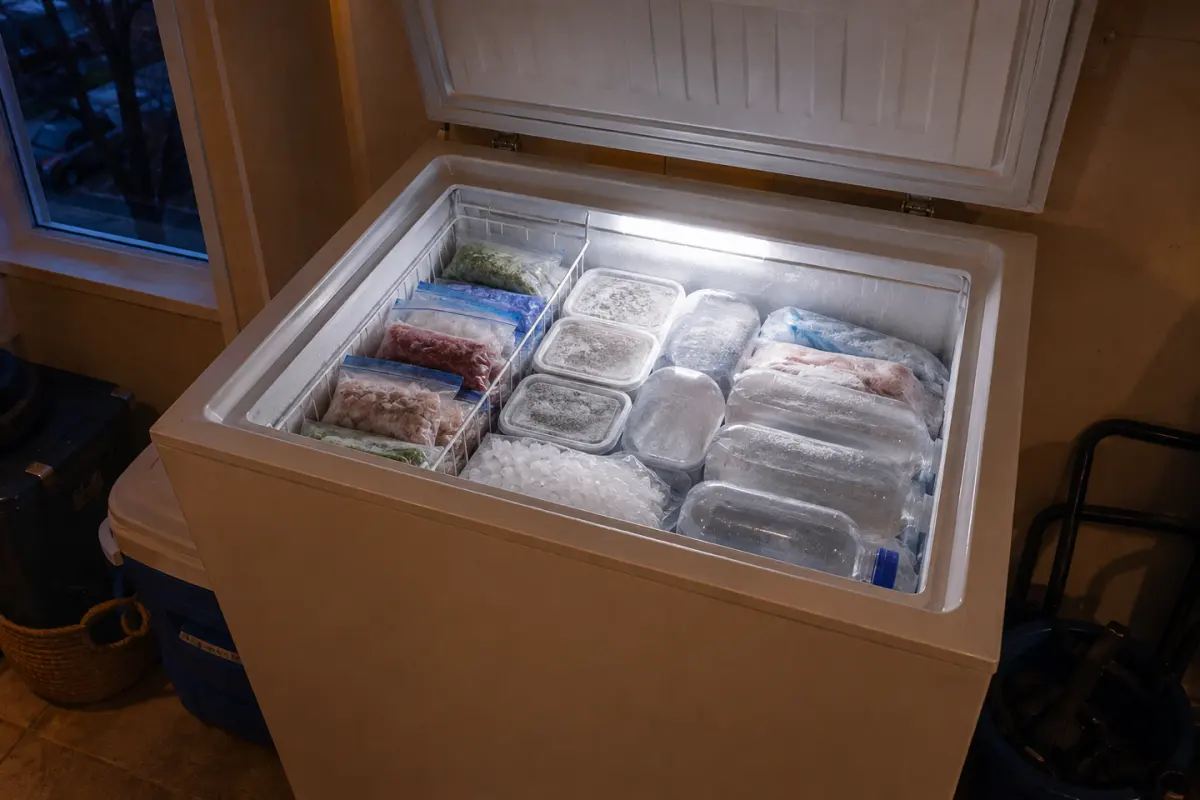
A full freezer will hold its temperature for approximately 48 hours (about 2 days) if the door is kept closed. A half-full freezer maintains safe temperatures for around 24 hours. The USDA advises that if food still contains ice crystals or the temperature is 40°F or below when power is restored, the food is safe to refreeze or use.
Which Foods Must Be Discarded?
Once perishable foods have been above 40°F for more than 2 hours, the FDA recommends discarding them. The following categories of food are considered perishable and must be evaluated carefully:
Discard after more than 2 hours above 40°F:
- Raw or cooked meat, poultry, and seafood
- Milk, cream, soft cheeses (such as brie, camembert, and cottage cheese)
- Cooked pasta, rice, and potatoes
- Cooked vegetables and casseroles
- Custards, puddings, and soft pies (such as pumpkin or custard)
- Opened mayonnaise, tartar sauce, and horseradish (if above 50°F for more than 8 hours)
- Fresh-cut fruits and vegetables
- Cooked or opened canned goods
- Salads containing egg, tuna, chicken, or pasta
- Casseroles, stews, and soups
- Creamy-based salad dressings
Foods that are generally safe without refrigeration for longer periods:
- Hard cheeses such as cheddar and parmesan (these are generally safe after a power outage even if above 40°F)
- Fruit juices (opened)
- Fresh whole fruits and vegetables (uncut)
- Peanut butter, jelly, and jam
- Vinegar-based salad dressings
- Bread, rolls, cakes, and muffins
- Breakfast cereals
- Fruit pies
The "When in Doubt, Throw It Out" Rule
The FDA's guidance is clear: never taste food to determine whether it is safe. Food that has been contaminated by bacteria may look, smell, and taste perfectly normal. Consuming spoiled food can cause serious foodborne illness, and the risk is never worth taking.
If you are unsure whether a perishable food has been above 40°F for more than 2 hours, discard it. The cost of replacing food is always less than the cost of treating foodborne illness.
Tips to Keep Food Safer During an Extended Outage
- Add ice or dry ice. If you know the outage will be extended, adding a block of ice or dry ice to your refrigerator can help keep temperatures below 40°F. Dry ice will keep a refrigerator cold for 1 to 2 days.
- Group food together. Grouping food in the refrigerator or freezer helps items retain their collective cold longer.
- Use a cooler. Transfer the most perishable items to a well-insulated cooler packed with ice if you expect the outage to last more than 4 hours.
- Keep a thermometer handy. An appliance thermometer removes all guesswork when power is restored.
- Plan ahead for predictable outages. Before a forecast storm, cook foods that might otherwise spoil or move them to a cooler.
Quick Reference: Safe Time Limits
| Location | Door Kept Closed | Safe Duration |
|---|---|---|
| Refrigerator | Yes | Up to 4 hours |
| Full freezer | Yes | Up to 48 hours |
| Half-full freezer | Yes | Up to 24 hours |
After power is restored, use your appliance thermometer to verify that the refrigerator is holding at 40°F or below and the freezer at 0°F or below before assuming all remaining food is safe.
Following these guidelines from the FDA, USDA, and CDC gives you the best defense against foodborne illness when the power goes out, because in food safety, what you cannot see or smell can still make you seriously ill.
Sources
- U.S. Food and Drug Administration, Food and Water Safety During Power Outages and Floods
- U.S. Department of Agriculture, Food Safety and Inspection Service, Keep Your Food Safe During Emergencies
- FoodSafety.gov, Food Safety During a Power Outage
- Centers for Disease Control and Prevention, Keep Food and Water Safe After a Disaster or Emergency
Blackout Ready is not affiliated with, or endorsed by, any agency cited here. Guidance can be updated after we publish; check the source for the current version.
Last reviewed: August 11, 2026